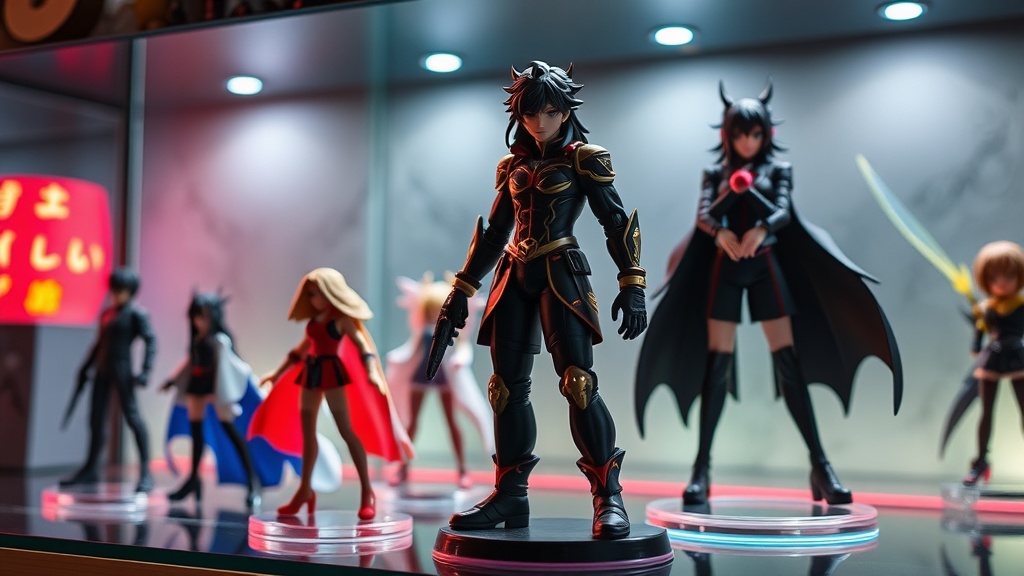
5 Smart Ways to Protect and Showcase Your Anime Figure Collection

Use a glass detolf or sealed cabinet to block dust and pet hair
Rotate displays away from direct sunlight to prevent fading and yellowing
Add LED strip lighting with diffusers for a museum-quality glow
Elevate figures with acrylic risers to improve visibility and airflow
Clean gently with a soft makeup brush and microfiber cloth monthly
This post breaks down five practical strategies for keeping anime figures in top condition while making them look great on display. Whether the collection spans a single shelf or an entire room, these methods help prevent yellowing, dust buildup, and accidental damage. You'll also learn how to choose the right cases, lighting, and climate control setups without overspending.
How do you keep anime figures from yellowing and fading?
Sunlight and heat are the main culprits, so blocking UV rays and controlling temperature prevents discoloration. PVC figures—especially lighter skin tones and white outfits—are notorious for turning ivory or beige after prolonged sun exposure. Even indirect daylight through a window accelerates this process faster than most collectors realize.
Here's the thing: you don't need a basement bunker to protect the investment. Start by positioning displays away from direct window light. If the room gets strong afternoon sun, apply 3M UV-blocking window film to cut harmful rays by up to 99%. It's inexpensive, nearly invisible, and works better than curtains alone.
Lighting inside the display matters too. Halogen bulbs generate heat and emit UV traces. Swap them for cool-running LED strips—Philips Hue Play bars or basic LE strip kits work well. Keep lights a few inches from the figures. Heat builds up fast in enclosed cases, and sustained temperatures above 80°F (27°C) can soften PVC over time.
Worth noting: some collectors rotate figures seasonally. Moving pieces to dark storage boxes (acid-free, if possible) for a few months each year limits cumulative light exposure. It's not mandatory, but it helps for rare or limited-edition pieces that can't be replaced easily.
What's the best way to display anime figures without damaging them?
Stable, enclosed displays with proper spacing and secure bases protect figures from falls, dust, and curious hands. Open shelving looks clean in photos, but it exposes figures to pet hair, airborne grease from kitchens, and the occasional bump during cleaning. A case with doors—even basic glass ones—cuts maintenance in half.
The IKEA DETOLF remains the go-to entry-level cabinet for a reason. It's affordable, tall, and glass on all sides. That said, it wobbles. Add adhesive corner brackets or anchor it to the wall if the collection includes heavy 1/4-scale bunnies or statues. For a sturdier upgrade, the IKEA MILSBO offers metal framing, adjustable shelves, and a lockable door—useful if there are kids in the house.
Inside the case, acrylic risers (available on Amazon or from specialty shops like MyFigureCollection.net marketplace sellers) create visual depth. Stagger heights so taller figures don't block smaller ones. Leave at least an inch of clearance around each piece for airflow. Crowded shelves trap humidity and make dusting nearly impossible.
For floating figures—characters on thin pegs or dynamic leaping poses—check the support pegs monthly. PVC can sag under its own weight over years. A Nendoroid standing on one leg might look adorable, but gravity wins eventually.
| Display Option | Best For | Price Range | Pros | Cons |
|---|---|---|---|---|
| IKEA DETOLF | Beginners, small rooms | $70–$90 | Affordable, full glass visibility | Wobbly, no locking door |
| IKEA MILSBO | Mid-size collections | $180–$220 | Sturdy, adjustable, lockable | Heavy, limited color options |
| Moducase | Serious collectors | $400+ | Stackable, premium build, LED-ready | Expensive, long shipping times |
| Wall-Mounted Acrylic Boxes | Single premium figures | $30–$80 each | Custom fit, dust-proof | Takes up wall space, limited capacity |
How should anime figures be stored in humid climates?
Dehumidifiers and silica gel packs keep moisture levels low enough to prevent mold and paint stickiness. PVC and ABS plastics absorb atmospheric humidity over time, which can lead to a tacky surface film—especially on figures stored in closets or basements. Once that stickiness sets in, it's difficult to reverse without risking paint damage.
Aim to keep the display area between 40% and 55% relative humidity. In coastal regions or during summer months, a small Eva-Dry E-333 renewable dehumidifier fits inside most cabinets and lasts weeks before needing a recharge. For larger rooms, a hOmeLabs or Pro Breeze electric dehumidifier handles the ambient air. The catch? Empty the water tank regularly, or the device shuts off and humidity spikes.
Silica gel packets tucked into corners help, but they saturate quickly. Replace them every two to three months, or switch to color-indicating gel that turns pink when exhausted. Some collectors build custom false floors in their DETOLF cabinets and hide a layer of silica beads underneath—clever, invisible, and effective.
Avoid storing figures in bathrooms, attics, or garages. Even sealed boxes won't protect against extreme temperature swings. If a figure must go into long-term storage, use plastic bins with tight lids (like Sterilite gasket boxes) and include a fresh desiccant pack. Wrap the figure in acid-free tissue—not bubble wrap, which can leave imprints on soft PVC over time.
Are glass cabinets worth it for anime figure collectors?
Yes—especially models with sealed doors and adjustable shelves—because they balance visibility with protection. Glass cabinets create a gallery-like presentation while forming a physical barrier against dust, pets, and clumsy guests. For collectors who rotate displays frequently, a cabinet with removable shelves saves hours of rearranging.
The IKEA FABRIKÖR offers a vintage industrial look with tempered glass and a metal frame. It sits lower than the DETOLF, which makes it ideal for 1/7 and 1/8-scale figures that benefit from eye-level viewing. If the budget allows, Moducase systems are the gold standard in the hobby. They're modular, stackable, and designed specifically for collectibles. Many come pre-wired for LED integration.
That said, glass isn't perfect. Fingerprints show up constantly. Smudged doors ruin photos and require weekly wiping with a microfiber cloth. Also, glass cabinets can act like greenhouses if placed in direct sun or paired with hot lighting. Always monitor internal temperature with a small digital thermometer.
For renters or those short on floor space, wall-mounted curio cabinets or even floating shelves with acrylic dust covers work as compromises. They don't offer the same full enclosure, but they keep the collection visible and relatively safe. Good Smile Company occasionally releases official display bases and backdrops for popular lines like Nendoroid and figma, which pair well with open shelving.
How do you clean anime figures without ruining the paint?
Gentle dry brushing and filtered compressed air remove dust without scratching delicate paint apps. Never use household cleaners, alcohol wipes, or wet cloths on painted surfaces. The solvents in typical cleaning sprays strip factory finishes and can cloud clear plastic effects (like energy blades or water splash bases).
Start with a soft makeup brush—the kind used for powder foundation. Brands like e.l.f. or Real Techniques sell inexpensive sets with varying bristle densities. Use the fluffiest brush for broad areas and a smaller angled brush for crevices between hair strands or folds in clothing. Work in one direction to avoid pushing dust into joints.
For stubborn dust or pet hair, a can of filtered compressed air (the type sold for electronics) blasts particles out of tight spots. Hold the can upright and use short bursts. Tilting it releases propellant that can leave a cold residue on the plastic. A small air blower bulb—common in camera cleaning kits—works too, and it's reusable.
If a figure develops a faint oily sheen (common in kitchens or humid rooms), a barely damp microfiber cloth with distilled water might help. Test it on the bottom of the base first. Don't rub hard. Some figures have fragile decals or tampo printing that lift with minimal friction.
Finally, inspect figures during cleaning. Loose joints, leaning poses, or hairline cracks are easier to fix when caught early. A dab of Gundam Marker or color-matched acrylic paint can touch up small chips. For major damage, professional restoration services exist—though they're pricey. Prevention, as always, beats repair.
Taking care of an anime figure collection isn't complicated. It's a matter of blocking light, controlling humidity, choosing the right display, and cleaning with patience. Small habits—checking a cabinet's temperature, rotating a figure away from the window, swapping out silica gel—add up to years of pristine display. The result is a collection that looks as sharp as the day each box was opened.