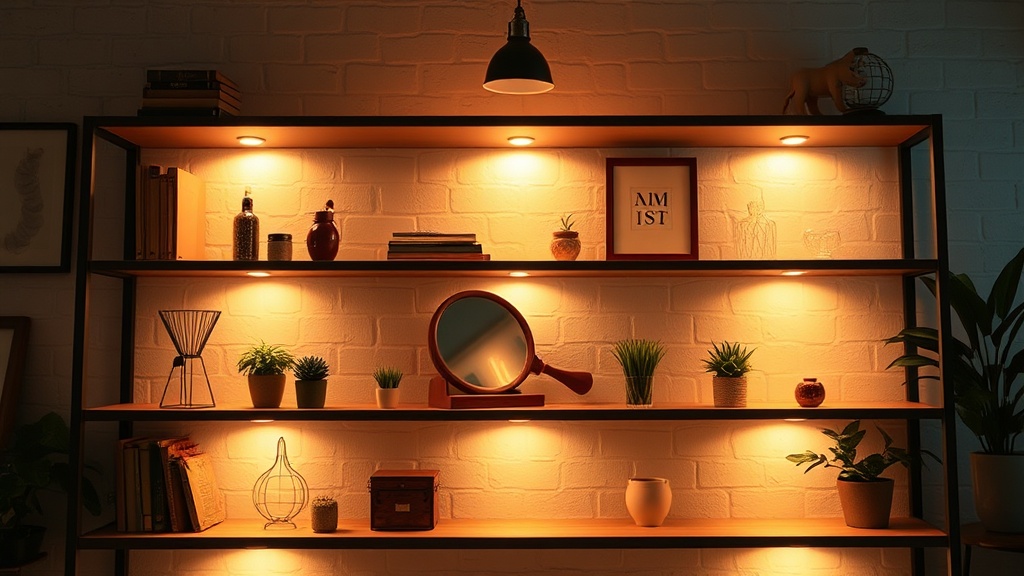
Budget Friendly Lighting Tricks for Your Display Shelves

Using LED Light Strips for Even Glow
Spotlighting Specific Centerpiece Figures
Avoiding Harsh Shadows with Diffusers
Battery Operated vs Plug-in Solutions
Most collectors think that a professional-looking display requires a massive investment in custom-built cabinetry or high-end studio lighting. This is a mistake. You can actually transform a standard, dark shelf into a museum-quality showcase using inexpensive, off-the-shelf lighting solutions that won't break your bank. This post breaks down the specific types of lighting—LED strips, puck lights, and spotlights—that work best for anime figures, how to avoid damaging your plastic, and how to actually set them up without a professional electrician.
How Much Should You Spend on Figure Display Lighting?
You don't need to spend hundreds of dollars to get good lighting; most collectors find that a budget of $20 to $50 per shelf is more than enough for a high-impact look. It's all about the placement rather than the price tag. A cheap LED strip from a big-box retailer can look just as good as an expensive one if you hide the glare.
The biggest mistake I see is people buying "cool" colored lights that wash out the actual paint job on a figure. If you have a high-end scale figure from a company like Good Smile Company, you want to highlight the detail, not drown it in neon pink. Stick to neutral tones when possible.
Here is a quick breakdown of the common lighting options and their general cost-to-benefit ratio:
| Lighting Type | Average Cost | Best For | Pros |
|---|---|---|---|
| LED Strips | $10 - $25 | Long shelves/LEDen edges | Even light distribution |
| Battery Puck Lights | $15 - $30 | Small, isolated displays | No wires visible |
| USB Desktop Lamps | $10 - $20 | Single focal point figures | Very easy to move |
| Spotlight Kits | $30 - $60 | Highlighting specific details | Dramatic shadows |
Which Light Colors Work Best for Anime Figures?
Warm white or neutral white light is the safest bet for displaying a diverse collection because it shows the true colors of the paint and sculpt. Colored lights (red, blue, green) can drastically alter the appearance of a figure's skin tone or hair color, often making them look "off" or even cheap.
If you have a collection that is heavily themed—say, a dark-themed *Chainsaw Man* figure or a bright, colorful *Sailor Moon* set—you might want to play with color. But be careful. If you use a deep red light, a white figure might end up looking pink or orange. It's a subtle thing, but it matters when you're trying to show off a premium purchase.
I often suggest using "Tunable White" LEDs. These allow you to adjust the Kelvin temperature (the "warmth" of the light). For most anime figures, a temperature around 4000K is the sweet spot. It's bright and clean without being clinical or harsh.
If you are worried about the long-term effects of light on your collection, remember that light isn't just an aesthetic issue; it's a preservation issue. UV rays are the enemy of PVC and ABS plastics. If you're displaying figures near a window, even with lights, you should look into UV-filtering film for your glass. This is a great way to prevent the "leaning" or fading issues that plague many collectors. If you're already worried about the upkeep of your collection, you might want to check out my previous post on removing dust and scratches from your scale figures to keep them looking fresh.
How Do I Prevent Heat Damage from Display Lights?
The most effective way to prevent heat damage is to use LED lighting exclusively, as LEDs produce significantly less heat than traditional incandescent or halogen bulbs. Heat can soften the plastic of your figures, leading to "leaning" issues where a figure can no longer support its own weight over time.
Even with LEDs, you have to be smart about placement. You shouldn't place a light source directly against the back of a figure. The heat—even the small amount produced by an LED driver—can build up in a confined space like a glass display case.
Pro-tips for heat management:
- Avoid "Puck" lights on top of figures: These are often too close to the sculpt. Instead, mount them to the underside of the shelf above.
- Check your power supply: If a small transformer or "brick" feels hot to the touch, move it outside the display case.
- Ventilation matters: If you use a closed case like an IKEA Detolf, make sure there is at least a small gap for air to circulate.
It's a common trap to think that more light equals a better display. It doesn't. Too much light creates "hot spots" where the center of your shelf is blindingly bright and the edges are pitch black. This makes the display look amateur. You want a soft, even wash of light.
I've seen collectors try to use cheap clip-on desk lamps to light up a shelf. This is a bad idea. Those lamps are often too bulky and the heat output is much higher than a dedicated LED strip. It's better to spend an extra $10 on a flexible USB LED strip that can be tucked away.
If you're working with a tighter budget, focus on one or two "hero" pieces. Instead of lighting the whole shelf, use a small spotlight to highlight your most expensive scale figure. This creates a sense of depth and hierarchy in your collection. It draws the eye exactly where you want it to go.
When you're setting up your lighting, think about the shadows. Shadows are actually your friend. A little bit of shadow can add a sense of drama and scale to a figure. If your light is too direct and "flat," your figures will look like plastic toys rather than art pieces. Try angling your lights so they hit the figure from a side angle rather than from the front. This emphasizes the sculpt and the texture of the hair or clothing.
A final thought on organization: if you're building a display from scratch, you'll likely need to think about the structural side of things. I've written about building a perfect display case, which covers how to manage the physical layout before you even touch the electronics. A well-organized case is much easier to light than a cluttered one.
Don't forget to check your cable management. Nothing ruins a beautiful display faster than a messy web of black wires hanging down the front of your shelf. Use small, clear command hooks or even just a bit of double-sided tape to tuck your wires along the corners of the shelves. It keeps the look clean and professional.