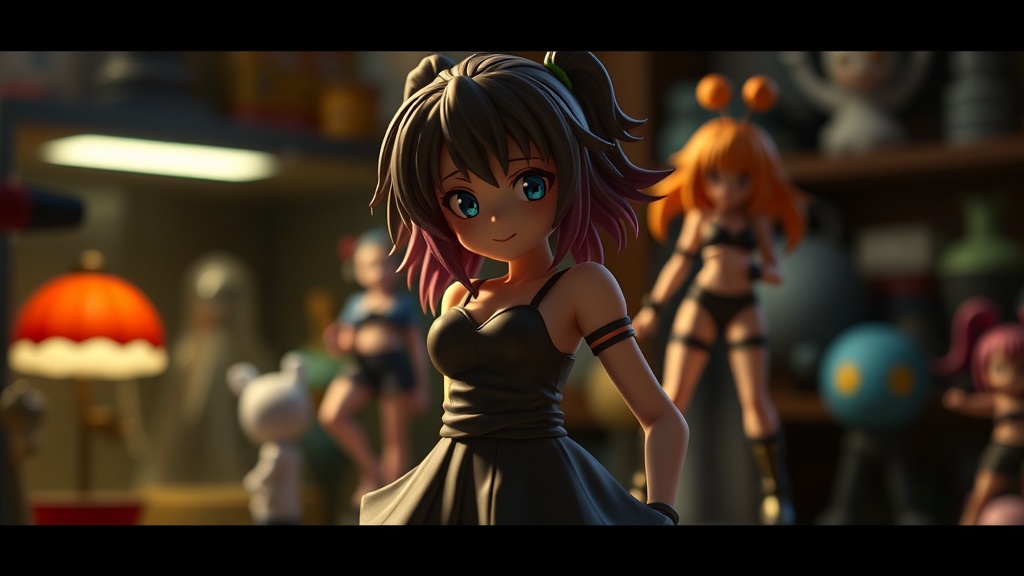
From Sculpt to Shelf: The Fascinating Process Behind Your Anime Figures

Here's Something Most Collectors Never Consider
A single premium-scale anime figure requires roughly 200 to 300 hours of combined labor across six different specialized crafts before it ever reaches your display shelf. That $150-300 price tag isn't just plastic and paint—it's the condensed expertise of digital sculptors, traditional clay artisans, mold engineers, and hand-painting specialists working across facilities in Japan and China. Most collectors focus entirely on the finished product, debating paint quality and pose accuracy without understanding why some figures command triple the price of seemingly similar alternatives. This breakdown traces every stage of figure manufacturing, from the initial digital sculpt to final packaging, revealing exactly what you're paying for—and how to spot production shortcuts that separate exceptional pieces from mediocre ones.
Digital Sculpting and 3D Modeling: Where Characters Take Form
The modern anime figure begins life as millions of polygons in software like ZBrush, Maya, or Blender. Digital sculptors work directly from licensor-provided character sheets, translating two-dimensional artwork into three-dimensional data with exacting precision. Every fold of fabric, strand of hair, and facial expression gets meticulously constructed at scales ranging from 1:1 (life-size) down to 1:8 or smaller for mass production.
This stage demands more than technical skill—sculptors must interpret artistic intent while accounting for manufacturing realities. Hair strands that look stunning in digital form might prove impossible to cast in PVC without breaking. Dynamic poses with extreme angles require internal support structures that affect the final piece's balance. Professional sculptors typically spend 40-60 hours on a single character, revising based on licensor feedback that can span multiple approval rounds. Good Smile Company's production diaries document how even minor facial adjustments require complete re-renders and client resubmission, extending timelines by weeks.
Why Do Some Manufacturers Still Use Traditional Clay Prototypes?
Despite digital dominance, physical clay sculpting remains surprisingly common—especially among premium Japanese manufacturers like Alter, Stronger, and native studios. Master sculptors work directly in oil-based clay or epoxy putty, creating one-of-a-kind originals that capture subtle surface textures difficult to replicate digitally.
Physical prototypes offer tactile advantages. A sculptor can rotate the piece under natural light, catching shadow interactions that screen-based workflows miss. They can carve microscopic details—individual eyelashes, fabric weave patterns, skin pore textures—that improve the final product. This traditional approach adds 3-4 weeks to production schedules and significantly increases costs, which explains why clay-sculpted figures typically retail 30-50% higher than digitally produced equivalents. The clay original gets destroyed during mold-making, making these prototypes truly singular works that exist only in photographic documentation after production begins.
The Mold Engineering Problem Nobody Talks About
Transforming a prototype into a mass-produced object requires sophisticated mold design that most collectors never consider. PVC (polyvinyl chloride) figures use steel molds machined with CNC precision, typically requiring 15-25 separate mold pieces for complex characters. Each mold piece must account for shrinkage rates—PVC contracts approximately 0.5-1% during cooling, requiring inverse scaling in the mold cavity itself.
Mold complexity directly determines production costs. A simple standing figure might use 12-15 mold components and cost $15,000-25,000 to engineer. Complex pieces with floating hair, dynamic bases, or multiple color separation points can require 40+ mold pieces costing $80,000 or more. These upfront investments explain limited production runs—manufacturers must amortize mold costs across estimated sales volume. This economic reality drives the limited-edition model dominating the industry; smaller runs with higher per-unit prices recover expensive mold investments more reliably than mass-market gambles.
What Materials Are Actually Used in Anime Figure Production?
PVC dominates the industry for good reason—it accepts paint beautifully, holds fine detail at small scales, and remains relatively affordable. But premium figures increasingly incorporate ABS (acrylonitrile butadiene styrene) for rigid structural components like bases and internal armatures, plus softer PVC variants called "soft vinyl" for hair and accessory pieces requiring flexibility.
High-end manufacturers sometimes employ polystone (a resin and stone powder composite) for limited statuettes, achieving ceramic-like weight and surface quality that plastic cannot match. Cast-off capable figures (designs allowing clothing removal) use softer TPE (thermoplastic elastomer) for fabric components, requiring entirely different molding processes and quality control standards. Understanding material composition matters for display planning—polystone chips rather than bends when dropped, while TPE components degrade faster under UV exposure than standard PVC.
The Hand-Painting Reality Behind Factory Production
Here's where marketing language misleads many collectors. Even "factory-painted" figures involve extensive hand-finishing. Automated spray systems apply base coats, but the critical details—eye gradients, blush application, weathering effects, metallic accents—require human operators working under magnification.
Professional figure painters train for 18-24 months before handling commercial products. They work in climate-controlled booths (temperature and humidity fluctuations affect paint viscosity), using airbrushes with needle diameters as fine as 0.2mm. Masking alone consumes 30-40% of painting time—protecting areas that must remain color-free while adjacent sections receive pigment. A single scale figure undergoes 8-15 separate painting stages with curing periods between applications. Kotobukiya's manufacturing features reveal that quality-control rejection rates reach 15-20% during painting, with flawed pieces either receiving correction or destruction depending on defect severity.
How Can You Tell If a Figure Used Premium Manufacturing Methods?
Discerning production quality from photographs requires examining specific details. Check the hairline where different color sections meet—premium figures show crisp boundaries with no bleeding or overspray. Inspect eye paint for gradient smoothness; cheaper production often shows banding or abrupt color transitions. Examine base connection points—quality figures hide attachment mechanisms within the sculpt rather than obvious peg holes.
Weight provides another clue. Premium figures feel substantial because they use denser PVC formulations and thicker wall sections. Light, hollow-sounding pieces suggest thinner casting to reduce material costs. Packaging can indicate manufacturing investment—Japanese domestic releases typically include protective plastic shells and foam inserts that prevent transit damage, while budget-oriented international versions might use simpler cardboard inserts. These differences reflect manufacturing philosophy rather than mere packaging choices.
Quality Control: The Final Gatekeeper
Before boxing, each figure undergoes inspection protocols most collectors never consider. Trained inspectors examine pieces under standardized lighting, checking for paint consistency, molding defects, and structural integrity. Weight checks identify incomplete castings—significant deviations from target specifications trigger automatic rejection.
Acceptable quality standards vary dramatically between manufacturers and price tiers. Premium brands like Alter and Max Factory maintain rejection rates above 25% for minor imperfections that budget manufacturers would accept. This selectivity drives pricing but ensures consistency—when you buy from top-tier manufacturers, you're paying for the pieces that passed aggressive filtering, plus the cost of destroying imperfect siblings. Limited edition figures often include individual inspection numbers or certificates precisely because each piece received individual attention rather than batch sampling.
The path from concept to collector shelf spans 8-14 months for standard releases, extending to 18+ months for complex pieces. Understanding this process doesn't just satisfy curiosity—it fundamentally changes how you evaluate price tags. That $200 figure represents hundreds of hours of specialized labor, thousands in mold investment, and meticulous quality filtering. Cheap alternatives cut corners exactly where this article detailed: rushed sculpting, automated painting without hand-finishing, thinner castings, and relaxed quality standards. The manufacturing story lives in the details—and now you know where to look.