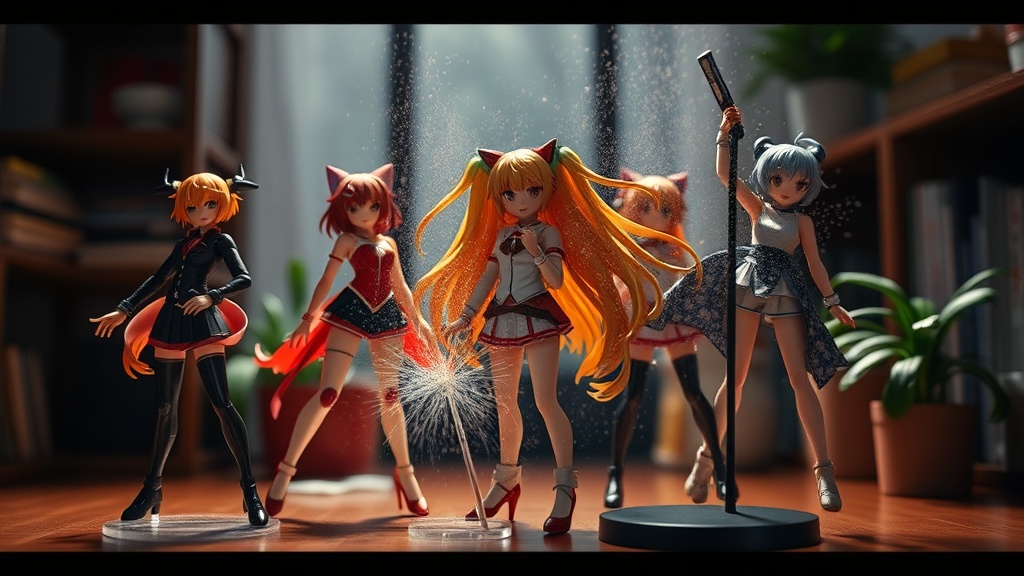
How to Clean and Dust Your Anime Figures Safely at Home

This post walks through every step of cleaning and dusting anime figures at home without scratching paint, snapping delicate hair strands, or leaving ugly water spots behind. Whether you own a single prize figure won from a UFO catcher or an entire wall of limited-edition scales from Good Smile Company, Alter, and Max Factory, proper maintenance keeps colors vibrant, faces expressive, and resale values steady over the years. You'll learn which household items are genuinely safe, how often to dust different materials, and exactly what to do when a favorite PVC figure starts feeling tacky after too long on the shelf.
What Supplies Do You Need to Clean Anime Figures?
The basics are simple: soft brushes, lint-free cloths, high-quality cotton swabs, and gentle air. A Tamiya Craft Cotton Swab—round or triangular, about four dollars per fifty-pack—fits into gaps between pigtails and ribbons better than any drugstore q-tip. For surface dust, a wide synthetic makeup brush like the Real Techniques Powder Brush works beautifully and costs under ten dollars. Some collectors prefer a battery-powered air duster such as the Metro DataVac ED-500 because it avoids the propellant chemicals in disposable canned air, which can leave a faint residue on glossy paint.
Here's the thing: not every cloth is safe. Thick auto-shop microfiber can trap grit and scratch high-gloss finishes. Instead, use a clean camera lens cloth or a Princeton Artist Brush Company draftsmen brush for dry dusting. When sticky residue appears, keep Dawn Ultra dish soap, an original Mr. Clean Magic Eraser (no bleach), and nitrile gloves nearby. Sofubi and certain older paints react badly to alcohol, so skip the isopropyl unless the manufacturer specifically recommends it.
How Often Should You Dust Anime Figures?
Figures displayed in open cabinets or on wall shelves should be dusted every seven to ten days, while enclosed glass cases can comfortably go three to four weeks between cleanings. Dust accumulates faster than most collectors expect—especially in carpeted rooms, spaces with forced-air heating, or anywhere near an open window. A thin layer of dust isn't merely an eyesore. It traps ambient moisture, skin oils, and airborne pollutants that can slowly degrade paint and cause yellowing on white plastics.
The catch? Frequency depends heavily on your local environment. A collector in humid Oakland might notice a faint sticky film forming within two weeks, whereas someone in dry Arizona can stretch the schedule to a full month without trouble. Worth noting: seasonal shifts matter enormously. Spring pollen, summer wildfire ash, and winter heating dust all hit harder than the mild debris of autumn, so check figures more often during those peak months. A quick once-over with a soft brush takes under five minutes per shelf if you make it part of a regular weekend routine.
Can You Wash Anime Figures with Water?
Yes, most painted PVC and ABS figures can be safely rinsed with lukewarm water, provided you avoid soaking internal joints, metal pins, adhesive seams, or electronics. Water is gentle on solid plastic when used correctly—excessive heat and pressure are the real threats. Never use water hotter than hand-warm, and never blast a figure directly under a faucet.
That said, water alone won't dissolve oily fingerprints or old sticker residue. For a deeper clean, fill a bowl with lukewarm water and one drop of Dawn Ultra. Dip a cotton swab or soft cloth, wring it until barely damp, and wipe in slow strokes. Rinse the cloth and go over the area again to remove soap film. Figures with light-up bases—common on premium Bandai releases—should never be submerged. Wipe those with a barely damp cloth only, keeping moisture away from batteries and LEDs.
Always air-dry figures on a clean towel in a dust-free room. Hair dryers, even on cool settings, can warp thin plastic details like ahoge strands and floating ribbons.
What's the Safest Way to Remove Dust from Delicate Areas?
The safest approach is to lift dust away with clean air or a soft brush rather than rubbing fragile paint or thin plastic. Fingers should stay away from detailed faces, transparent "wet look" eye paint, and pre-painted resin hair. Hold the figure at an angle so dislodged dust falls away rather than settling deeper into crevices.
For eyes and small emblems, a triangular cotton swab lets you sweep along the edge of an iris without poking the clear-coat layer. Compressed air works well for billowing capes and dynamic bases—but keep the nozzle at least six inches back. Too close, and pressure can snap a translucent wing or bend a thin katana. (If a piece breaks, don't panic. Most scale figures are assembled with cyanoacrylate glue, which can be re-bonded with a tiny drop of plastic-safe super glue.)
Worth noting: dust hides where you'd least expect it—under bangs, inside pleated skirts, between shoe soles and bases, and inside open mouths. A small flashlight helps spot these shadows. Work slowly. Five minutes of patient brushing beats five seconds of heavy scrubbing.
How Do You Clean Sticky or Discolored PVC Figures?
A mild soap bath or an extremely gentle wipe with a diluted Magic Eraser usually removes the tacky film that aging PVC develops when plasticizers leach to the surface. This stickiness is common on figures made between roughly 2005 and 2015, especially those stored in warm rooms or sunlight. The plastic isn't ruined—it's sweating oils that attract dust.
Start with the gentlest option: a few drops of Dawn Ultra in warm water, applied with a soft cloth in small circles. Rinse and dry thoroughly. If tackiness persists, dampen a corner of a Mr. Clean Magic Eraser until barely wet, then rub the area with almost no pressure. Melamine foam acts like ultra-fine sandpaper, so over-scrubbing will dull glossy finishes. Always test on the bottom of a shoe or the underside of a base first.
That said, some stains won't budge. Cigarette smoke, cooking grease, and packaging ink can permanently yellow white plastics. For stubborn cases, the Volks Zoukei-Mura Figure Maintenance Set includes specialized cleaning pastes for collector-grade statues. It isn't cheap, but it has rescued many limited-edition scales from the bargain bin. If discoloration is severe, professional restoration services—like those discussed on MyFigureCollection—may be the best option.
Comparison of Cleaning Methods by Figure Type
| Figure Type | Dry Dusting | Water Rinse | Deep Cleaner | Risk Level |
|---|---|---|---|---|
| PVC Scale Figure | Safe (soft brush) | Safe (lukewarm, no soak) | Magic Eraser or mild soap | Low |
| ABS Prize Figure | Safe | Safe (brief rinse) | Dawn Ultra + water | Low |
| Sofubi (Soft Vinyl) | Safe | Risky (test first) | Plain water only; avoid alcohol | Medium |
| Resin Garage Kit | Safe (extremely gentle) | Unsafe unless sealed | Specialized figure paste | High |
| Electronic / Light-Up Base | Safe | Never | Damp cloth on plastic only | High |
Always check manufacturer care instructions first. Good Smile Company publishes detailed figure-care guidelines for specific lines, and the MyFigureCollection wiki has community-tested tips for rare items.
What About Cleaning Soft Vinyl (Sofubi) and Resin Kits?
Sofubi figures should almost never be submerged; porous vinyl can absorb water through seams and develop mold inside hollow cavities. Instead, wipe the surface with a barely damp cloth and dry it immediately with a soft towel. Resin garage kits are even more finicky. Unless professionally sealed with a clear topcoat, water can soften unsealed paint and cause "blushing"—a cloudy white patch that ruins the finish.
For resin, stick to dry methods: a soft sable brush, a rubber-bulb lens blower, or a low-power electric duster. If a resin kit gets grimy, the Volks cleaning pastes are far safer than household solvents. The catch? Once resin paint is damaged, touch-ups require matching the original artist's exact color mix—often impossible without the paint codes.
How Should You Store Figures After Cleaning?
Let every figure dry completely before returning it to a case—at least thirty minutes for PVC, and two hours for sofubi or hollow parts. Trapped moisture breeds mildew on wooden bases and can corrode thin metal support rods. Once dry, position figures away from direct sunlight, heating vents, and kitchen grease.
If you're serious about keeping dust out, invest in a Detolf glass-door cabinet from IKEA or acrylic riser cases with magnetic sliding doors. Even a plastic cover like the Otacool Figure Display Case cuts dust accumulation by more than half. That said, sealed cases need light maintenance too. Wipe interior glass monthly so dust doesn't recirculate when you open the door.
Clean figures last longer, photograph better, and hold their value when it's time to sell or trade. A few minutes of careful maintenance every week keeps a collection looking as sharp as the day each box was opened.
Steps
- 1
Gather Soft, Non-Abrasive Cleaning Tools
- 2
Remove Loose Dust with a Makeup Brush or Air Blower
- 3
Wipe Surfaces Gently and Reinspect for Streaks