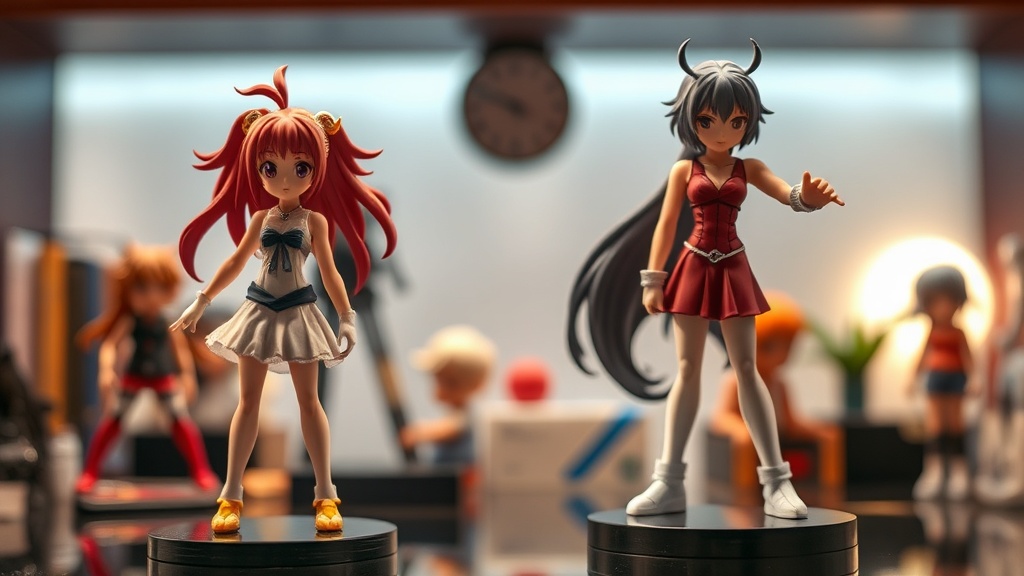
How to Clean and Maintain Your Anime Figures Like a Pro Collector

Anime figures accumulate dust, oils from handling, and environmental pollutants that dull paint finishes and degrade materials over time. This guide covers the complete maintenance workflow—from routine dusting to deep cleaning methods—so your collection stays display-ready and retains its value for years. Whether you're managing a single shelf or a dedicated figure room, these pro collector techniques will keep every scale figure, Nendoroid, and prize figure looking factory-fresh.
What's the Best Way to Dust Anime Figures Without Damaging Them?
Regular dusting prevents buildup that becomes harder to remove later. The key is using tools that attract dust rather than pushing it around—or worse, scratching delicate paint applications.
Start with a microfiber duster with an extendable handle like the OXO Good Grips Microfiber Duster. The fibers trap particles instead of redistributing them. For tight spaces between hair strands or intricate base details, a soft makeup brush (squirrel or goat hair—Winsor & Newton Series 7 works well) lets you sweep precisely without applying pressure.
Here's the thing: compressed air seems like an easy solution. It isn't. The force can knock small parts loose, and some canned air contains bitterants or propellants that leave residue. If you must use air, a Giottos Rocket Air Blaster (the same tool photographers use for sensors) provides gentle, residue-free puffs.
For figures in Detolf cabinets or similar display cases, dust the exterior glass weekly. Interior dusting can happen monthly unless the case sits near a vent or high-traffic area. The catch? Opening the case too often introduces new dust. Batch your maintenance—clean several figures at once rather than pulling individual pieces out constantly.
Dusting Frequency by Environment
| Display Location | Dusting Interval | Notes |
|---|---|---|
| Enclosed glass cabinet (Detolf, Billy/OXBERG) | Every 4-6 weeks | Minimal dust; focus on glass exterior |
| Open shelving with regular activity | Every 1-2 weeks | Dust accumulates faster near HVAC vents |
| Near windows or exterior walls | Weekly | Consider UV film on windows to prevent fading |
| Basement or garage displays | Weekly + humidity monitoring | Watch for mold; use dehumidifiers |
How Do You Clean Sticky or Oily Residue from PVC Figures?
Over time, PVC figures can develop a sticky film—a process called plasticizer migration where chemicals in the plastic migrate to the surface. You'll also encounter this after handling figures with unwashed hands (the oils from skin are surprisingly aggressive on paint).
Start simple. A slightly damp microfiber cloth with distilled water removes most surface grime. Distilled matters—tap water minerals leave spots. Work in gentle circular motions, not back-and-forth scrubbing.
For stubborn residue, upgrade to Mr. Clean Magic Erasers (cut into small pieces). Use the absolute minimum pressure—these are micro-abrasive and can dull glossy finishes if you're heavy-handed. Test on an inconspicuous area first (the bottom of a base works). That said, Magic Erasers work wonders on matte skin areas where other methods fail.
Isopropyl alcohol at 70% concentration handles disinfecting and cuts through oils. Apply to the cloth first, never directly to the figure. Avoid painted details and faces—alcohol can strip or dull certain paint types, especially metallic or pearl finishes common on anime figures from manufacturers like Good Smile Company or Alter.
Worth noting: never submerge figures. Water seeps into joints, hollow sections, and base attachment points. Mold grows where you can't see it. If a figure gets unexpectedly wet, disassemble what you can and let pieces air-dry completely before reassembly.
Can You Fix Yellowing on Older Anime Figures?
Yellowing happens. UV exposure accelerates it, but even cabinet-stored figures yellow over years as the plastic oxidizes. Prevention beats restoration—every time.
Retrobright (the hydrogen peroxide + UV treatment popular in the retro computing community) works on ABS plastic but carries risks for painted PVC figures. The process can whiten plastic, yes. It can also fade paint, weaken glue joints, and create uneven results on large surface areas. Most collectors avoid it on figures worth more than sentimental value.
Better approach? Accept minor yellowing as character—or prevent it entirely. Position displays away from direct sunlight. Apply 3M Prestige window film to any windows in your figure room; it blocks 99.9% of UV without darkening the room. LED display lighting (warm white, 3000K-4000K) produces negligible UV compared to halogen or fluorescent options.
For figures already showing yellowing, gentle cleaning with the methods above sometimes reveals it's surface grime, not plastic degradation. Try that first. The disappointment of realizing it's actual yellowing? That's part of collecting vintage pieces. Some collectors actually prefer the aged look on classic 1990s garage kits—it signals authenticity.
How Should You Store Figures You're Not Currently Displaying?
Not every figure stays on the shelf forever. Rotation keeps displays fresh. Proper storage protects your investment during off-display periods.
Original boxes offer the best protection—manufacturers design them for shipping across oceans, after all. If you've discarded boxes (common with prize figures or bulk purchases), Archival Methods and Gaylord Archival make acid-free storage boxes in various sizes. Acid-free matters because standard cardboard releases acids that accelerate plastic degradation over years.
Wrap individual figures in acid-free tissue paper—not bubble wrap directly against paint (the plastic can stick or imprint texture). For scale figures with delicate parts (floating hair pieces, thin weapons), retain the original blister packaging if possible. Those custom-molded plastic shells distribute pressure evenly.
Environmental control separates amateur storage from collector-grade:
- Temperature: Stable 60-75°F (15-24°C). Attics and garages fluctuate too wildly.
- Humidity: 40-55% relative humidity. Below 40% risks static and brittle plastic; above 60% invites mold.
- Light: Total darkness for long-term storage. Even LED exposure over months adds up.
Check stored figures every 3-6 months. Catching issues early—like a leaning Nendoroid or base warping—prevents permanent deformation. PVC has memory; leave it leaning for a year, it stays leaning.
Quick Reference: Cleaning Supplies Worth Owning
| Item | Purpose | Approximate Cost |
|---|---|---|
| Microfiber dusters (3-pack) | Routine dusting of figures and cases | $12-18 |
| Soft makeup brushes (synthetic) | Detail work, crevices, hair strands | $8-25 each |
| Distilled water (gallon) | Damp cleaning without mineral residue | $1-2 |
| Isopropyl alcohol (70%, pint) | Disinfecting, oil removal | $3-5 |
| Mr. Clean Magic Erasers (4-pack) | Stubborn residue, scuffs on bases | $5-8 |
| Giottos Rocket Air Blaster | Dust removal without contact | $10-15 |
| Acid-free tissue paper (pack) | Wrapping for storage | $10-15 |
What About Figures with Electronics or Special Finishes?
Modern figures increasingly include LED features, magnetic parts, or special coatings (flocking, metallic plating, clear resin). These need modified approaches.
For figures with battery compartments (common in Bandai's Figuarts ZERO Extra Battle line or certain lightsaber-wielding characters), remove batteries before any cleaning. Corrosion from old batteries destroys more figures than dust ever will. Check compartments every six months even if you don't clean the figure.
Metallic or chrome finishes—seen on premium figures from Native or anniversary editions—scratch if you look at them wrong. Use only clean microfiber, no brushes. Fingerprints show immediately; handle these pieces with nitrile gloves or only by the base.
Flocked figures (the velvet-texture coating on some Pokemon Center exclusives and older prize figures) attract dust like magnets. A lint roller—lightly applied—removes surface dust. Never use liquid cleaners; they mat the fibers permanently. Store flocked pieces in boxes if possible; sun exposure fades the color unevenly and you can't polish that out.
Clear resin parts (translucent hair, effect pieces, wings) show micro-scratches prominently. Clean these with lens cloths—the same Zeiss Lens Cleaning Cloths or Whoosh! Screen Shine you use for glasses work perfectly.
When Should You Consider Professional Restoration?
Some damage exceeds home cleaning. Paint chips, broken joints, severe yellowing, or mold infiltration need specialized intervention.
Professional anime figure restorers exist—artists like those found through MyFigureCollection.net forums or specialized commission boards. Expect to pay 30-50% of the figure's market value for quality restoration. For rare or discontinued pieces (limited Alter releases, old Max Factory sculpts, garage kits), this investment makes sense. For common prize figures, replacement usually costs less.
Before shipping any figure for restoration, document everything. Photos from multiple angles, close-ups of damage, notes on the original purchase. Restoration artists work from reference; better reference equals better results.
Here's the thing about maintenance: five minutes of prevention saves hours of restoration. Dust weekly. Handle with clean hands. Store properly. Your collection will outlast trends, moves, and maybe even your interest in the hobby—and it'll look pristine when the next collector buys it, or when you rediscover that figure in storage and remember why you loved it.
Steps
- 1
Gather Your Cleaning Supplies
- 2
Dust Gently with a Soft Brush
- 3
Clean Stubborn Spots with Microfiber Cloth