How to Create Stunning Anime Figure Displays That Wow Your Guests

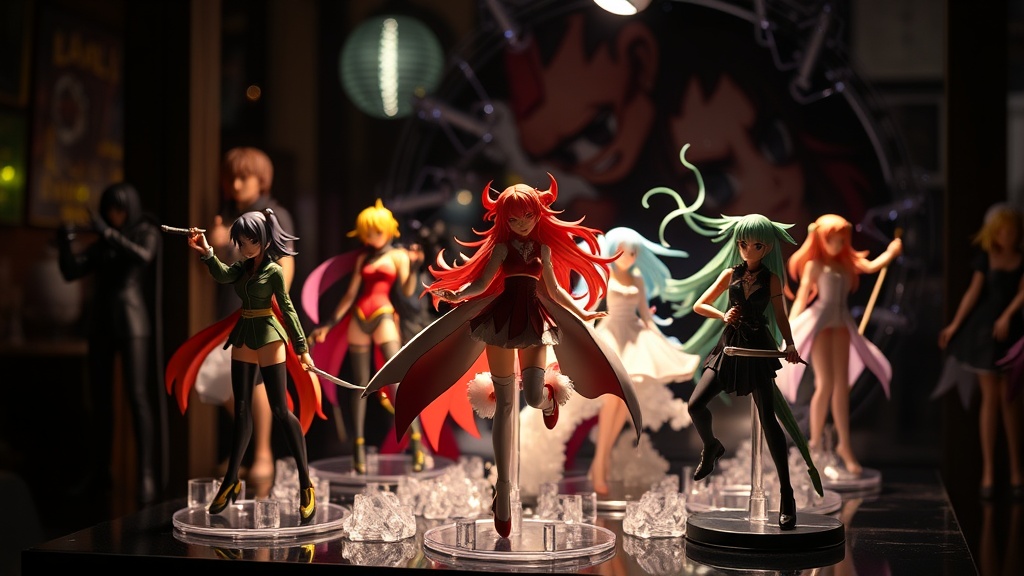
This guide covers everything needed to transform a scattered figure collection into a visually striking display that impresses visitors—from lighting and shelving choices to arrangement techniques and maintenance tips. A well-designed display doesn't just protect the investment; it turns a personal hobby into a conversation piece that guests remember long after leaving.
What Are the Best Shelving Options for Anime Figure Displays?
Detolf glass-door cabinets from IKEA remain the gold standard for most collectors. At $70-$90 each, they offer dust protection, adjustable glass shelves, and a clean aesthetic that works in nearly any room. The catch? They're tall and narrow—great for 1/8 scale figures, but cramped for elaborate dioramas or multiple characters in dynamic poses.
That said, open floating shelves from brands like The Container Store's Walnut Live Edge collection create a gallery-like presentation. They work beautifully in rooms with minimal dust and allow larger pieces—think Good Smile Company's Life-Size Tony Tony Chopper or Kotobukiya's massive ARTFX J statues—to breathe. Worth noting: open displays demand weekly dusting. Skip this if maintenance feels like a chore.
For those in earthquake-prone areas like Oakland (or anywhere with rambunctious pets), wall-mounted options with lip edges or acrylic risers prevent disaster. The NBM No Brand Modular Shelving System from Japanese import shops offers earthquake-resistant bars that secure figures without ruining the visual flow. Expensive? Yes. Cheaper than replacing a limited-edition Scale Saber Alter? Absolutely.
Glass vs. Open: Making the Right Call
The debate divides the community. Glass cabinets protect against dust, UV damage, and curious fingers. Open shelving allows easier rearranging and accommodates oversized pieces. Here's a quick breakdown:
| Feature | Glass Cabinet (Detolf/Milsbo) | Open Shelving |
|---|---|---|
| Dust Protection | Excellent | None—requires frequent cleaning |
| UV Protection | Moderate (add film for better results) | None—avoid direct sunlight |
| Accessibility | Requires opening doors | Grab and go |
| Cost | $70-$200 | $30-$150 |
| Best For | Scale figures, nendoroids | Large statues, rotating displays |
How Should You Arrange Figures for Maximum Visual Impact?
Start with height hierarchy—taller figures belong in back, shorter ones up front. Sounds obvious, yet cluttered displays often ignore this basic principle. Create visual triangles: position one tall centerpiece slightly off-center, flank with medium-height figures, and fill gaps with smaller nendoroids or prize figures.
Grouping by theme works better than mixing series randomly. A dedicated "Fate corner" with Saber variants, a "Ghibli shelf" with Kotobukiya's resin statues, or a "Mecha wall" with Gundam Universe figures tells a story. Visitors understand the collection's scope instantly. Random scattering—one Pikachu next to a Berserker next to a Vocaloid—creates visual chaos. Organized presentation signals intentionality.
Here's the thing about "centerpieces": every display needs one. Not three. One. That $400 Alter figure of Saber in her wedding dress? That's a centerpiece. Place it at eye level (roughly 55-60 inches from the floor). Let it own the space. Surrounding figures should complement, not compete.
The Rule of Thirds for Figure Photography—And Display
Photographers use the rule of thirds. Display designers should too. Imagine each shelf divided into a 3x3 grid. Place the most important figure at intersection points—not dead center. Offsetting creates dynamism. Centering creates museum-diorama stiffness (unless that's the aesthetic goal).
Use acrylic risers from Amazon Basics or Japanese specialty shops to create depth. A figure standing on a 2-inch riser appears more prominent without physically towering over neighbors. Layering adds dimension that flat arrangements lack. The eye travels naturally across varied heights and depths.
What Lighting Setup Makes Anime Figures Look Their Best?
LED strip lights positioned at the top of cabinets pointing downward wash figures in even illumination that reduces harsh shadows. Avoid upward lighting from below—unless aiming for a horror-movie aesthetic (and even then, probably don't). Warm white (2700K-3000K) flatters most paint applications. Cool white (5000K+) makes figures look clinical and reveals every microscopic flaw.
Philips Hue Lightstrips offer app-controlled color options. Sounds gimmicky until trying soft pink backlighting behind a Madoka Magica display or blue tones for Re:Zero characters. The $80 investment transforms evening viewing. Generic LED strips from hardware stores work fine for basic needs at one-third the price.
Position lights to avoid reflection on glass cabinets. Test from multiple viewing angles. A figure that's perfectly lit when viewed straight-on becomes a glare monster when seen from the couch. Adjustable LED spotlights inside the cabinet—like the OxyLED brand battery-operated puck lights—allow highlighting specific pieces. That Limited Edition Racing Miku deserves her moment.
UV Protection: The Silent Killer
Direct sunlight destroys figures. Paint fades. PVC yellows. It happens gradually—then suddenly a $200 figure looks like a garage sale find. Position displays away from windows. If relocation isn't possible, apply UV-blocking film to glass cabinet doors and windows. 3M's Sun Control Window Film blocks 99% of UV rays without darkening the room dramatically.
Even artificial light emits some UV. LED lights produce minimal amounts—another reason to prefer them over halogen or fluorescent alternatives. Rotate figures periodically if certain shelves receive more light exposure than others. Equal suffering prevents uneven aging.
How Do You Maintain and Protect Your Figure Display?
Dust accumulation happens faster than expected—especially in open shelving. Compressed air cans work for crevices but don't overdo it; the propellant can leave residue. Microfiber cloths slightly dampened with distilled water clean most surfaces safely. Never use alcohol-based cleaners on painted figures. Ever. The paint will lift, and regret will follow.
Humidity control matters tremendously. PVC figures absorb moisture in humid environments, leading to sticky surfaces and paint transfer. Ideal relative humidity falls between 40-50%. In the Bay Area's variable climate, Eva-Dry mini dehumidifiers or DampRid containers inside cabinets work wonders. They're cheap insurance against a $300 figure developing "the tackies."
Check figures quarterly for leaning. PVC softens slightly over time, especially in warm conditions. A figure standing on one leg—that dramatic sword-drawn pose—will gradually tilt. Acrylic stands help. So does rotating figures to redistribute weight. Prevention beats repair every time.
Display Accessories Worth Owning
- Acrylic risers: Create depth and hierarchy—brands like Displays2Go offer various sizes
- Rotating stands: Battery-operated turntables from Amazon ($15-25) let guests appreciate 360-degree sculpting
- Mirror bases: Reflective surfaces double visual space and add elegance
- Floating shelves with hidden brackets: Clean, modern look—no visible hardware distracting from figures
- Magnetic LED puck lights: Attach anywhere, reposition as the collection evolves
Common Display Mistakes That Cheapen the Collection
Cramming too many figures onto one shelf diminishes each piece. Negative space isn't wasted space—it's breathing room. If a shelf holds more than 5-6 scale figures comfortably, it's overcrowded. Better to rotate pieces seasonally than display everything poorly.
Inconsistent lighting temperatures create jarring visual discontinuity. Warm LEDs mixed with cool overhead room lighting makes one section look yellow and another blue. Choose a temperature and commit. The catch? Mixing looks amateur.
Ignoring the backdrop wastes potential. Plain white walls work, but textured backgrounds—faux brick panels, Japanese shoji screens, or printed backdrops of anime scenery—add atmosphere. Piper Johansson's own Oakland display uses removable wallpaper featuring Your Name cityscapes behind the Makoto Shinkai figure section. Guests always comment.
Positioning valuable figures at child or pet height invites disaster. Even well-behaved animals knock things. Keep grails—those $500+ holy grail pieces—at least four feet from the floor. Prize figures and cheaper collectibles can occupy lower real estate. Hierarchy by value, not just height.
Creating a stunning anime figure display doesn't require professional design training or unlimited budget. Thoughtful shelving choices, strategic lighting, and intentional arrangement improve any collection from "shelf of toys" to "curated gallery." Start with one cabinet. Perfect it. Expand when ready. The best displays grow organically alongside the collector's taste—and give guests something genuinely worth talking about.
Steps
- 1
Choose the Right Display Case or Shelf for Your Space
- 2
Arrange Figures by Theme, Series, or Color for Visual Impact
- 3
Add Proper Lighting and Protective Measures to Preserve Your Collection