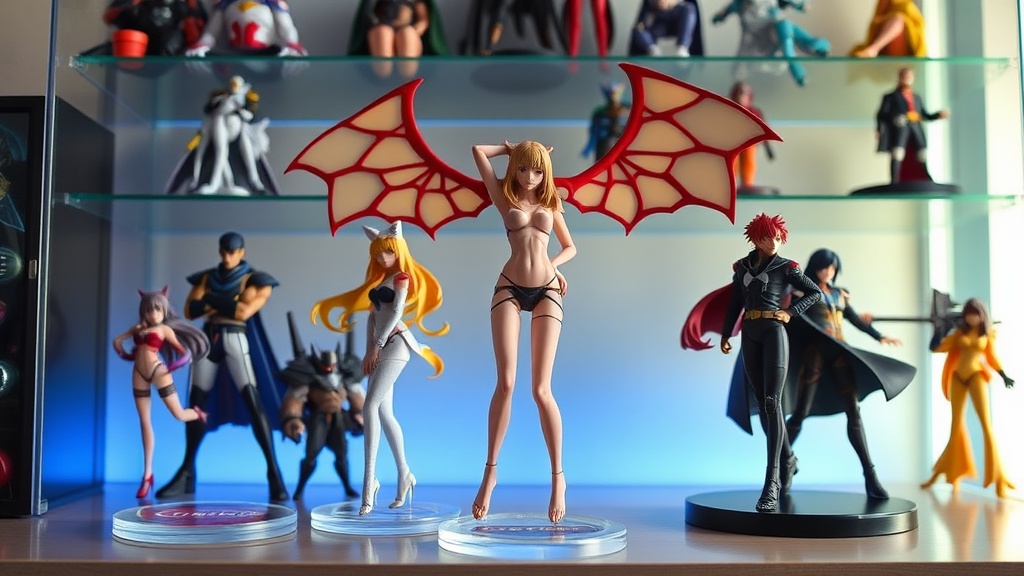
How to Display Your Anime Figures Like a Pro Collector

What This Guide Covers
This guide walks through proven methods for displaying anime figures that protect the investment, showcase the artistry, and create a collection worth showing off. Poor display choices lead to yellowing, dust accumulation, and damaged paint jobs—problems that slash resale value and ruin the visual impact. The techniques here work whether the collection spans three shelves or fills an entire room.
What's the Best Way to Display Anime Figures Without Damaging Them?
The best approach combines controlled lighting, stable shelving, and protection from dust, direct sunlight, and temperature fluctuations. Figures—particularly PVC scale models and resin statues—degrade when exposed to UV rays and heat. A proper display isn't just about aesthetics; it's about preservation.
Start with the foundation: shelving. IKEA's DETOLF glass cabinet remains the go-to entry point for collectors. It's affordable (around $70), has four glass shelves, and fits roughly 15-20 scale figures depending on pose sizes. The catch? The stock shelves sag under heavy resin pieces. Replace them with custom-cut acrylic sheets from TAP Plastics—they handle weight better and won't warp over time.
For larger collections, consider modular systems. The IKEA BILLY bookcase with OXBERG glass doors offers more vertical space and adjustable shelving. Add weatherstripping around the door edges to create a near-sealed environment. Dust is the silent killer of display quality—it settles into crevices, dulls glossy finishes, and requires constant cleaning that risks damaging delicate paint apps.
Detolf cabinets work best when modified. Install LED strip lights (more on lighting later), add a small USB-powered fan for air circulation, and place silica gel packets on each shelf to control humidity. Here's the thing: figures absorb moisture from the air, which can cause sticky surfaces on older PVC and mold growth on fabric elements.
How Do You Light Anime Figure Displays Properly?
Proper lighting means cool LED strips positioned to eliminate shadows and highlight sculpt details without generating heat that warps plastic. The goal is museum-quality illumination that makes paint jobs pop—especially on figures with metallic or pearlescent finishes.
Avoid halogen and incandescent bulbs entirely. They emit UV radiation and generate heat that softens PVC over time. Instead, use 5000K-6500K daylight-balanced LED strips. Brands like Philips Hue and Govee offer app-controlled options with dimming capabilities. Position strips along the top and sides of display cases, never directly underneath figures—that creates harsh upward shadows.
Worth noting: colored lighting can enhance thematic displays. A figure of Sailor Moon looks stunning under soft pink accent lighting; a dark Evangelion piece benefits from subtle red undertones. That said, keep the primary illumination neutral white to accurately represent the figure's paint job.
For Detolf cabinets specifically, the IKEA DIODER LED 4-piece strip set fits perfectly along the upper frame. For a more professional setup, the Waveform Lighting FilmGrade LED strips offer 95+ CRI (Color Rendering Index)—meaning colors appear true to life without the green or blue tints common in cheaper alternatives.
Lighting Comparison Table
| Light Type | Heat Output | UV Emission | CRI Rating | Best For |
|---|---|---|---|---|
| Halogen Spotlights | High | Yes | 100 | Avoid entirely |
| Warm White LEDs (3000K) | Low | No | 80-90 | Cozy displays, risks yellow tint |
| Daylight LEDs (5000K) | Low | No | 90+ | Accurate color representation |
| Full-Spectrum LEDs | Low | No | 95+ | Professional showcases |
Should You Keep Anime Figures in Their Boxes or Display Them?
Display opened figures in controlled environments; keep rare or duplicate pieces sealed for investment protection. There's no universal rule—it depends on the figure's value, rarity, and personal collecting goals.
Scale figures from manufacturers like Good Smile Company, ALTER, and Max Factory are designed to be displayed. Their sculpts lose impact when trapped behind cardboard and blister packs. However, limited editions, first-release bonuses, and grail-tier pieces (think early B-STYLE bunny figures or discontinued Nendoroids) often appreciate faster in sealed condition.
Here's a practical middle ground: photograph figures immediately upon unboxing, save all packaging materials, and display the figure while storing the box flat in a closet. Box condition matters for resale—creased corners and torn flaps knock serious dollars off market value. Use archival-quality plastic storage bins for box preservation; cardboard absorbs moisture and can transfer odors to the packaging.
The catch? Some figures—particularly those with soft PVC elements or leaning poses—actually fare better outside their boxes long-term. Figures like the early Kotobukiya Bishoujo line developed "leaning syndrome" when stored horizontally. Displaying them upright with proper support prevents warping.
How Do You Arrange Figures for Maximum Visual Impact?
Create visual hierarchy through height variation, thematic grouping, and strategic negative space—treat the shelf like a composition, not a parking lot. Cramming figures together destroys the individual impact of each piece.
Height variation prevents the "flat line" effect that makes displays look amateur. Use acrylic risers (available from The Container Store or Amazon basics) to improve smaller figures. Place taller pieces toward the back, shorter ones forward—but don't rigidly follow this rule. A dynamic arrangement mixes heights across the depth of the shelf, creating visual movement.
Thematic grouping tells a story. Group characters from the same series together. Arrange figures by color palette—warm tones (reds, oranges) on one shelf, cool tones (blues, purples) on another. Some collectors organize by manufacturer, showcasing how different studios interpret similar source material.
Worth noting: riser height matters more than most collectors realize. A 3-inch riser works for Nendoroids and smaller scales; 6-inch risers suit standard 1/8 scale pieces. For 1/4 bunnies and massive statues, skip risers entirely—these pieces command presence at base level.
Quick Arrangement Tips
- Odd numbers create better visual balance than even groupings
- Leave 2-3 inches between figures for air circulation and visual breathing room
- Angle figures slightly toward the viewer—straight-on placement looks static
- Use mirror backing in wall-mounted cases to double the visual depth
- Rotate displayed figures every few months to prevent UV damage on one side
What About Dioramas and Custom Bases?
Custom bases and dioramas separate casual displays from showcase-worthy setups—but they're not mandatory. A simple circular mirror base (available from Michaels or IKEA) reflects light upward and creates the illusion of a larger footprint. It's a $5 upgrade that makes any figure look more premium.
For collectors ready to invest more, custom diorama bases from makers like IXTA and Figure-Rise add environmental storytelling. A Rei Ayanami figure posed on a miniature AT Field base hits different than the same figure on generic black plastic. That said, dioramas consume serious shelf real estate—measure twice before committing.
Acrylic display cases with built-in bases (like those from Toreba or Japanese import shops) offer another layer of protection. These sealed environments block dust entirely and allow for controlled humidity. The trade-off is reduced accessibility—every viewing requires unsealing the case.
How Do You Maintain a Display Long-Term?
Maintenance means quarterly dusting with microfiber cloths, annual deep cleans with compressed air, and constant vigilance against environmental threats. Neglect shows fast—within months, dust forms visible layers on glossy surfaces.
Never use feather dusters. They snag on pointy hair sculpts and delicate accessories. Instead, use a soft makeup brush (Real Techniques and EcoTools make excellent options) to gently sweep surfaces. For stubborn dust in crevices, a camera lens blower bulb works wonders without physical contact.
Here's the thing: cleaning frequency depends on case quality. A sealed Detolf with weatherstripping might need attention every three months. Open shelving? Monthly, minimum. The time investment adds up—another argument for enclosed displays.
Monitor temperature and humidity with a basic hygrometer (Govee makes Bluetooth-enabled models that sync to phones). Ideal conditions sit around 65-75°F with 40-50% humidity. Basements and attics are figure graveyards—temperature swings and moisture destroy collections regardless of display quality.
Finally, photograph the collection annually. Insurance companies require documentation for high-value collectibles, and the photos serve as a time capsule of the collection's evolution. Plus, sharing display photos on communities like MyFigureCollection connects collectors with peers who offer feedback, trade opportunities, and genuine enthusiasm for the hobby.
Steps
- 1
Choose the Right Shelving and Location for Your Display
- 2
Install Proper Lighting to Highlight Your Figures
- 3
Arrange Figures by Theme, Scale, or Character for Maximum Impact