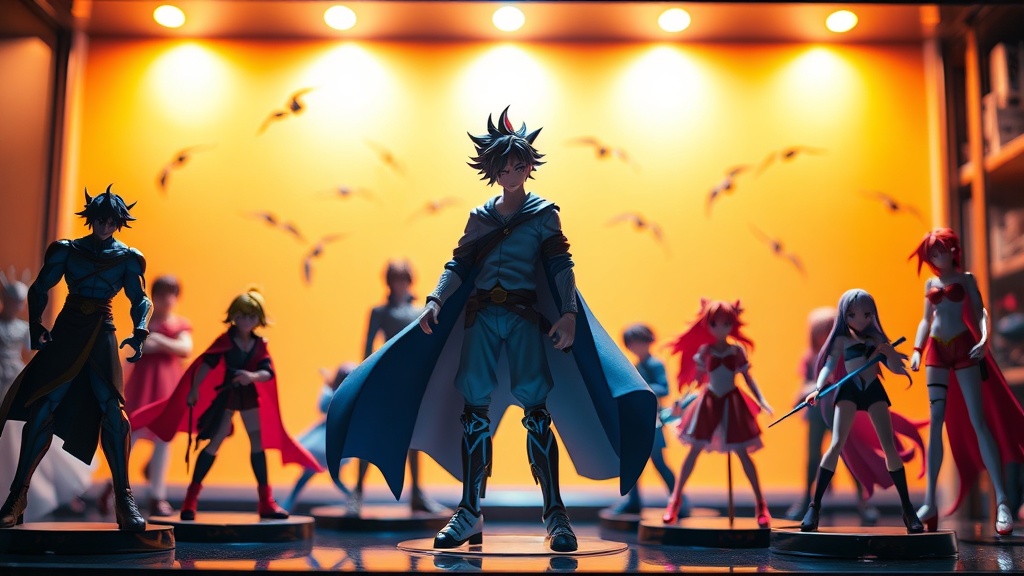
key Guide to Protecting Your Anime Figure Collection from Damage

Anime figures aren't cheap. A single scale figure from Good Smile Company or Alter can run $150-$300, and limited editions climb even higher. Without proper care, UV light fades paint, humidity warps materials, and dust grinds into delicate finishes. This guide covers proven protection methods—storage solutions, cleaning routines, and environmental controls—that keep a collection looking factory-fresh for years.
What Causes Anime Figures to Deteriorate Over Time?
Three main culprits damage PVC and ABS figures: ultraviolet light, temperature fluctuations, and airborne contaminants. Understanding these threats helps prioritize protection efforts.
UV light breaks down chemical bonds in plasticizers, causing yellowing and paint fading. Figures placed near windows—even indirect light—show noticeable discoloration within months. The damage is irreversible. Heat accelerates this process and can cause "plasticizer migration"—that oily sheen on older figures when softeners leak to the surface.
Humidity poses a different threat. Levels above 60% encourage mold growth on cloth bases (common on some Re:Zero and Fate figures) and can loosen adhesives. Dry conditions below 30% make plastic brittle. Dust seems harmless until it mixes with skin oils and settles into crevices—then it becomes abrasive grime that's nearly impossible to remove without micro-scratches.
How Should You Store Figures to Prevent Damage?
Display cases offer the best protection for open collections. Here's the thing—not all cases are equal. Glass blocks UV better than acrylic, but acrylic (plexiglass) is lighter and shatter-resistant. For serious collectors, IKEA's DETOLF cabinets ($70) remain the standard—four glass shelves, reasonable price, decent sealing. Add weatherstripping tape around the door edges to reduce dust infiltration.
Closed storage—plastic bins, original boxes, or dedicated figure cases—works for overflow or long-term storage. The key is acid-free materials. Regular cardboard releases acids that yellow figure bases over time. Archival-quality storage boxes from Gaylord or BCW Supply cost more upfront but protect better than repurposed Amazon boxes.
For temperature and humidity control, small space solutions work surprisingly well:
- DampRid moisture absorbers ($10-15) handle humidity in closed cabinets
- Eva-dry renewable mini dehumidifiers ($15-25) recharge in outlets—no refills needed
- Silica gel packets (indicating type that turns pink when saturated) work in bins and boxes
Worth noting: figures stored in original boxes last longer. The styrofoam inserts prevent contact between painted surfaces, and sealed boxes block light and dust completely. That said, boxing everything defeats the purpose of collecting.
What's the Safest Way to Clean Anime Figures?
Cleaning is where most damage happens. Aggressive scrubbing, wrong cleaning agents, or rushing the process ruins finishes permanently. The safest approach? Prevention first, gentle maintenance second, deep cleaning only when necessary.
For routine dusting, a makeup brush—goat hair or synthetic—works perfectly. Soft bristles lift dust without scratching. A camera lens blower (Giottos Rocket Air Blaster, $12) removes particles from crevices without contact. Never use compressed air cans— the propellant leaves residue and the pressure can snap delicate parts.
When figures need washing (sticky residue, smoke film, actual dirt), use this method:
- Remove all detachable parts—heads, arms, weapons, bases
- Rinse under lukewarm water—never hot
- Use mild dish soap (Dawn Original, unscented) on a soft microfiber cloth
- Clean gently—no scrubbing, let the soap do the work
- Rinse thoroughly, pat dry with lint-free cloth
- Air dry completely before reassembly—24 hours minimum
The catch? Some figures have water-sensitive elements. Metallic paints, flocking (that fuzzy texture on some bases), and certain adhesives hate moisture. When in doubt, spot-test on the base bottom. For sticky figures showing plasticizer migration, a light dusting of Scunci powder or figure-specific protectant helps—but prevention through proper storage beats treatment every time.
Avoid: alcohol-based cleaners (strikes paint), baby wipes (contain moisturizers that attract dust), paper towels (micro-scratches), and ultrasonic cleaners (vibration damage).
How Do You Protect Figures While Displaying Them?
Open shelving looks great in photos. In reality, it's a dust magnet. That said, most collectors display at least some pieces. Smart positioning and basic barriers reduce risk dramatically.
Never place figures near heating vents, radiators, or air conditioning units. Temperature swings cause expansion and contraction—hairline cracks form at stress points (typically where limbs meet torsos). Direct sunlight is obvious death, but even bright ambient light from LED bulbs causes gradual fading. Warm white LEDs (2700K-3000K) cause less damage than cool whites or—worst of all—UV-emitting blacklights.
For shelves without cases, consider:
- Acrylic risers ($15-30 on Amazon) that improve back rows—better visibility means less handling to see pieces
- Clear acrylic dust covers—custom-cut panels that shield individual figures without full cases
- UV-blocking window film ($20-40) for rooms with natural light—3M and Gila make effective residential versions
Handling causes more damage than most collectors admit. Natural oils transfer from fingers to painted surfaces, then attract dust that bonds chemically. Cotton gloves ($10 for a dozen pairs) eliminate this—standard practice in museums and serious collections. At minimum, wash hands before handling and grip figures by bases or unpainted structural points, never by protruding details.
Protection Level Comparison
| Storage Method | UV Protection | Dust Control | Cost (Approximate) | Best For |
|---|---|---|---|---|
| Open bookshelf | None | None | $0 | Temporary display, photography |
| Glass cabinet (IKEA DETOLF) | Good with placement | Fair | $70 + modifications | Active collections, mid-size |
| Acrylic display case | Moderate | Good | $30-80 per case | Premium figures, limited space |
| Sealed original box | Excellent | Excellent | $0 (already owned) | Long-term storage, resale prep |
| Climate-controlled cabinet | Excellent | Excellent | $300-800 | High-value collections, vintage pieces |
When Should You Consider Professional Restoration?
Some damage exceeds DIY repair. Yellowed plastics, broken joints, flaking paint—these require skills and materials most collectors lack. Professional figure restoration services exist, particularly in Japan and through specialized US collectors.
Restoration costs typically run 30-50% of replacement value—worth it for discontinued pieces, questionable for readily available figures. Services include color matching and repainting, joint repair and replacement, base fabrication, and full restoration of vintage pieces. Research providers carefully—ask for before/after photos and check collector forum reviews before shipping valuable pieces.
Insurance matters too. Standard renter's or homeowner's policies often exclude collectibles or cap payouts at depreciated value rather than replacement cost. Collectibles insurance through specialized providers covers figures at agreed value with lower deductibles. Document your collection—photos, receipts, current market values. MyFigureCollection.net helps track market prices and provides provenance documentation.
Prevention always beats restoration. A $15 dehumidifier and thoughtful display placement protect better than any repair service. Start with the basics—UV protection, dust control, careful handling. Build habits before building the collection. Your figures—and your wallet—will thank you.