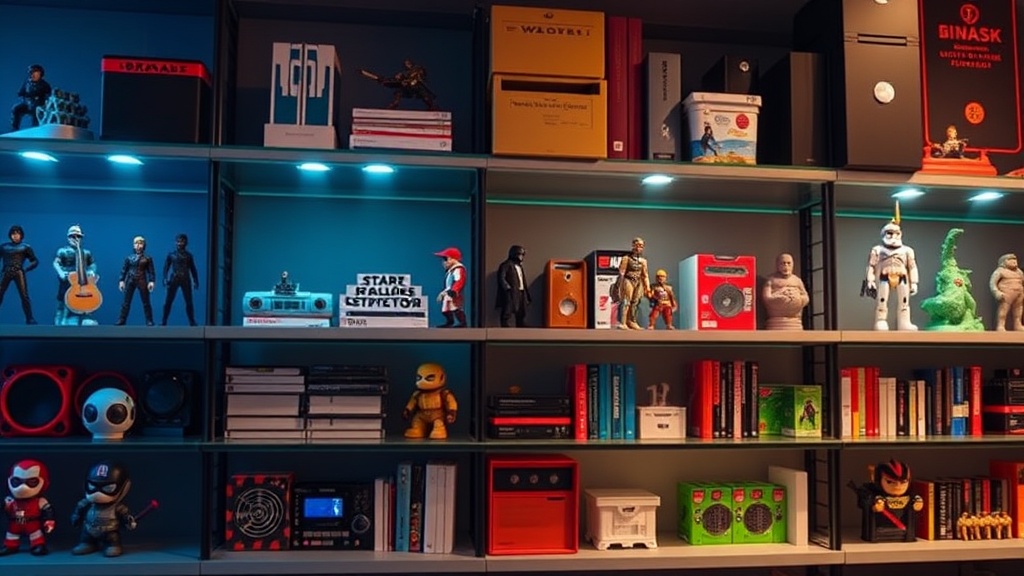
Smart Ways to Organize Your Figure Shelves for Maximum Visibility

How do I organize my anime figures to see them all?
Have you ever looked at a crowded shelf and realized you can only actually see the front row? It's a frustrating reality for many collectors. You spend hundreds—sometimes thousands—of dollars building a collection, only to have half of your favorites hidden behind a larger scale figure or a bulky stand. Organizing a collection isn't just about making things look neat; it's about creating a visual experience where every piece gets its moment in the spotlight. This guide focuses on practical layouts, tiered systems, and grouping strategies to ensure your display looks intentional rather than cluttered.
When you start with a blank shelf, the temptation is to just line them up in a single row. This is the fastest way to lose visibility. Instead, think about depth and height. A successful display uses vertical space to prevent the "wall of plastic" look. If you're working with a standard bookshelf or a glass cabinet, you need to account for the fact that figures come in wildly different shapes and sizes. A small Nendoroid shouldn't get lost in front of a massive 1/4 scale figure, but it also shouldn't be buried underneath one.
What are the best ways to use tiered displays?
One of the most effective ways to solve the visibility problem is through the use of acrylic risers. These are the unsung heroes of the figure community. By using steps, you create multiple levels of sightlines. This allows you to place smaller prize figures or smaller scale pieces in front of larger ones without them being completely obscured.
- Acrylic Steps: Great for standard scale figures to ensure the back row is visible over the front row.
- Nendoroid Stands: These are vital for adding height to smaller, shorter-legged figures that might otherwise look stubby on a flat surface.
- Rotating Displays: If you have a single "grail" figure, a motorized turntable can show off every angle without you having to move the entire shelf.
A common mistake is overstuffing these risers. If a riser is too crowded, the figures will bump into each other every time you move the shelf or even when you're just trying to adjust a pose. Leave a little "breathing room" (maybe half an inch or an inch) between each figure. This prevents paint transfer and makes the collection look premium. If you want to check out some professional display-grade acrylic options, sites like Amazon often carry various height-adjustable sets that work well for varied collections.
Should I group my figures by series or scale?
This is the great debate in the collecting community. There isn't a single right way to do it, but there are two primary philosophies. The first is the Series-Based Method. This is where you group all your characters from a specific show, like "Demon Slayer" or "One Piece," in one dedicated area. This creates a sense of storytelling. It's visually satisfying to see a character' actually interacting with their world or other characters from the same universe.
The second is the Scale-Based Method. This is the more formal approach. You might have a dedicated shelf for your 1/7 scale figures, another for your prize figures, and a small section for your Nendoroids. This method is incredibly efficient for managing space and ensures that the visual weight of the shelf is balanced. A large scale figure next to a tiny chibi figure can feel jarring if they aren't separated or supported correctly. You can learn more about the different scales and their standard measurements through resources like the Wikipedia page on scale models to better plan your shelf depth.
Creating Visual Balance and Color Themes
Once you've decided on your grouping method, you need to think about color. A shelf filled with only bright, neon-colored figures might feel overwhelming, while a shelf of all muted tones might feel dull. A good trick is to use a "color gradient" approach. Start with your darkest or most neutral figures on one side and transition into the brighter colors. This guides the eye across the shelf in a smooth motion rather than making it jump errously from one point to another.
Don't forget about lighting! Lighting is the difference between a hobbyist's shelf and a museum-quality display. If you're using LED strips, try to hide them behind the front lip of the shelf or under the edges of the tiers. You don't want a bright, harsh light source blinding you when you're trying to appreciate the fine details of a sculpt. Indirect light is always better for highlighting the nuances of paint and shadow on a figure's face.
Managing Space with Different Figure Types
Mixing and matching different types of figures can be tricky. For instance, if you have a collection that includes both articulated Figma figures and static scale figures, their footprint on the shelf will be different. Figmas often need more room because of their dynamic poses and accessories, whereas scales are more predictable in their footprint.
| Figure Type | Best Display Strategy | Key Benefit |
|---|---|---|
| Nendoroids | Clear plastic stands / Risers | Adds height and stability |
| Scale Figures | Single tier or low steps | Shows off intricate sculpts |
| Prize Figures | High-density grouping | Maximizes shelf space |
If you find your shelves are getting too heavy, be careful. A lot of high-end figures are surprisingly heavy, especially the larger-scale ones. If you're using an IKEA Kallax or similar unit, ensure the shelves aren't bowing under the weight of your collection. A bowing shelf is a nightmare for visibility because it tilts the figures forward, often leading to them falling over or leaning. Always check the weight capacity of your furniture before a massive buying spree!