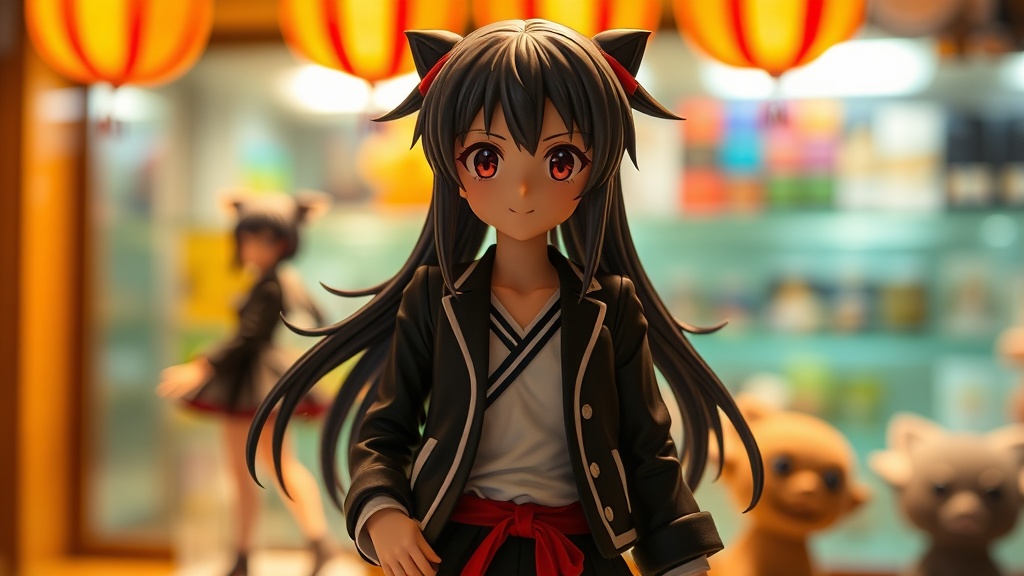
The Ultimate Beginner's Guide to Buying Authentic Anime Figures

This guide covers everything needed to spot authentic anime figures, avoid bootlegs, and build a collection worth displaying. Whether starting out or adding carefully chosen pieces, knowing what separates a genuine Good Smile Company Nendoroid from a cheap knockoff saves money, protects display shelves from disappointing craftsmanship, and ensures every purchase holds value over time.
What's the Difference Between Scale Figures and Prize Figures?
Scale figures are high-quality collectibles produced in limited runs with precise paint applications, detailed sculpting, and durable materials. Prize figures come from arcade machines in Japan—cheaper, less detailed, but still officially licensed. The gap in quality is obvious once held side by side.
Scale figures typically run $100–$300+ depending on character popularity and complexity. Prize figures cost $15–$40. For beginners, prize figures offer an affordable entry point. Companies like Bandai and Sega produce reliable prize figure lines that look respectable on shelves without breaking budgets.
That said, scale figures dominate photography and serious collecting. Brands like Alter, Kotobukiya, and Max Factory engineer pieces with dynamic poses, translucent hair effects, and fabric-like texture detailing on clothing. The paint gradients alone justify the premium.
Worth noting: some collectors mix both. Prize figures fill background displays. Scale figures take center stage. Neither approach is wrong—it depends on goals.
How Can You Tell if an Anime Figure is Authentic?
Authentic figures carry manufacturer stickers, holographic seals, and specific packaging details that bootlegs miss. Japanese releases typically include a gold or silver holographic sticker from the manufacturer—Good Smile Company's circular seal, Alter's rectangular hologram, or Bandai's red logo stamp.
Check these telltale signs:
- Packaging quality: Authentic boxes use thick cardboard with crisp, saturated printing. Bootlegs often show blurry images, thin material, or misspelled English.
- Paint application: Official releases have clean lines, smooth gradients, and no overspill. Counterfeits show smudged eyes, rough seam lines, and chalky skin tones.
- Base and support pieces: Genuine figures use clear, sturdy PVC for stands. Fakes often employ cloudy, brittle plastic.
- Price points: If a $200 figure sells for $30, it's fake. No exceptions.
The catch? Some bootlegs have improved dramatically. High-quality counterfeits—often called "ko figures" (knockoff)—now replicate packaging with alarming accuracy. Buying from authorized retailers eliminates this risk entirely.
Trusted sources include AmiAmi (Japan's largest figure retailer), Tokyo Otaku Mode, Right Stuf Anime, and official brand stores. Avoid eBay sellers with vague descriptions, stock photos, or prices that seem too generous.
Where Should Beginners Buy Their First Anime Figures?
Start with established retailers that specialize in Japanese collectibles rather than general marketplaces. The risk of receiving bootlegs drops significantly, and customer support actually exists when issues arise.
Here's how popular buying options compare:
| Retailer | Location | Price Range | Shipping | Best For |
|---|---|---|---|---|
| AmiAmi | Japan | Retail to slight discount | DHL, EMS, surface mail | Pre-orders, new releases |
| Mandarake | Japan | Variable (used market) | Sal, EMS, DHL | Rare, out-of-print figures |
| Big Bad Toy Store | USA | Marked up 20-40% | Domestic flat rate | No import hassle, fast delivery |
| Tokyo Otaku Mode | USA/Japan | Retail | Free over $150 | Points system, occasional sales |
| Solaris Japan | Japan | Premium for rare items | Express only | Hard-to-find grails |
Here's the thing about buying from Japan directly: shipping costs hurt. A single figure might cost $15–$40 to ship, depending on speed. But the base prices often beat domestic retailers significantly. For pre-orders—figures releasing in 3–6 months—Japanese shops typically offer 20-30% below MSRP.
For immediate gratification, Big Bad Toy Store and Crunchyroll Store stock US inventory. Prices run higher, but figures arrive in days, not weeks. No customs forms, no unexpected import duties.
Which Figure Brands Should New Collectors Know?
Understanding manufacturer specialties helps match pieces to personal taste. Not all brands execute every style equally.
Good Smile Company dominates the Nendoroid market—those adorable chibi figures with interchangeable faces and accessories. The company also produces high-end scale figures under its Wonderful Hobby Selection label. Consistent quality control, reliable pre-order systems, and strong licensing relationships make them a safe bet.
Alter commands respect for sculpting precision. The Shibuya-based manufacturer releases fewer figures annually, prioritizing perfection over volume. Alter pieces typically appreciate in aftermarket value.
Kotobukiya offers excellent price-to-quality ratios. The ArtFX J line captures anime aesthetics faithfully without the premium of luxury brands. Bishoujo (beautiful girl) figures remain their signature strength.
Max Factory pioneered the figma articulated figure category—poseable collectibles with interchangeable hands, faces, and accessories. For dynamic displays and photography, figmas provide flexibility that static scales cannot match.
Megahouse specializes in Portrait of Pirates (One Piece) and G.E.M. Series (across multiple franchises). Their figures emphasize character personality through expressive posing.
Newer collectors often gravitate toward FuRyu and Taito for affordable prize figures that punch above their weight. The FuRyu Noodle Stopper series—designed to perch on cup ramen lids—became surprisingly popular display pieces despite their humble origins.
How Much Should Beginners Spend Starting Out?
Budget $200–$500 for initial exploration. This range allows mixing prize figures for quantity with one quality scale piece to anchor the collection. Spending everything on a single grail leaves no room for learning preferences.
Start with characters you genuinely love rather than "investment" pieces. The anime figure market fluctuates unpredictably. Today's $150 pre-order might sell for $400 in two years—or drop to $80 if the character falls from popularity. Buy for enjoyment, not speculation.
Factor hidden costs: display cases (IKEA Detolf runs $70), LED lighting, dusting tools, and protective acrylic cases for valuable pieces. Figures attract dust relentlessly—plan cleaning time into the hobby.
Worth noting: pre-order culture dominates this hobby. Figures are announced 6–12 months before release, with pre-order windows lasting 1–2 weeks. Missing that window often means paying 50-200% markup on the aftermarket. Set alerts on retailer sites for favorite characters.
What Are the Most Common Beginner Mistakes?
Rushing purchases without research tops the list. That limited-edition Saber figure seems perfect—until discovering a superior version releases three months later. Patient collectors check MFC (MyFigureCollection.net) for announcement histories and compare sculpt quality across manufacturers.
Ignoring scale compatibility creates visual chaos. A 1/7 scale figure towers over 1/8 scale companions. Nendoroids (roughly 4 inches) disappear beside 1/4 scale bunnies. Plan display arrangements before buying mismatched sizes.
Storing figures in direct sunlight destroys them—literally. UV exposure yellows clear plastic, fades paint, and makes PVC brittle. Windowsill displays kill collectibles slowly.
Neglecting bootleg research proves expensive. That "rare" Miku Hatsune from an unknown AliExpress seller? Guaranteed fake. The disappointment of unboxing poorly painted eyes and wobbly joints ruins the hobby fast. When uncertain, consult MFC user photos and bootleg warning threads.
"The best collection isn't the biggest—it's the one that makes you smile every time you walk past it."
Collecting anime figures connects enthusiasts to the stories and characters that matter to them. With careful buying habits, authentic pieces from trusted manufacturers like Good Smile Company, Alter, and Kotobukiya reward collectors with craftsmanship that photographs beautifully and lasts for years. Start small, research thoroughly, and let the collection grow naturally alongside your tastes.